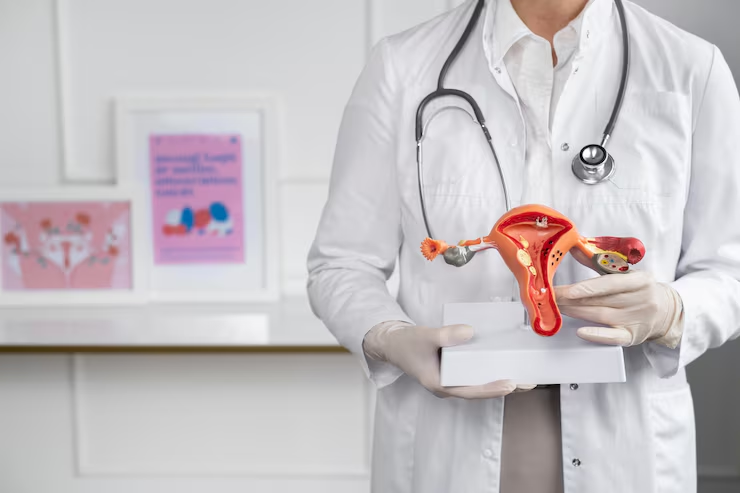
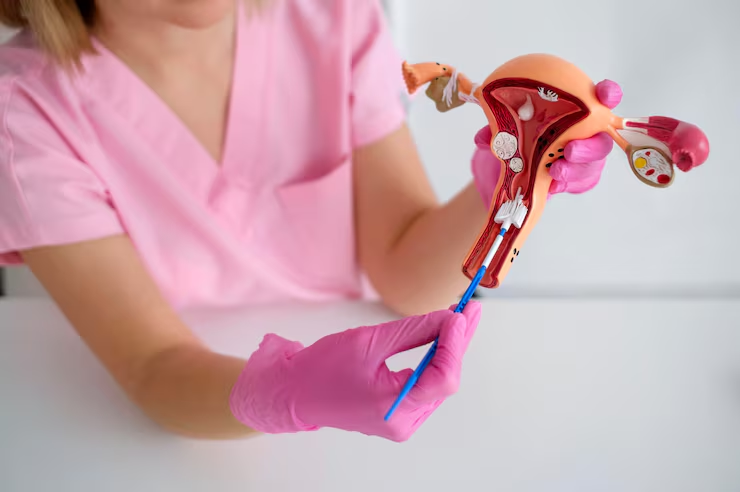
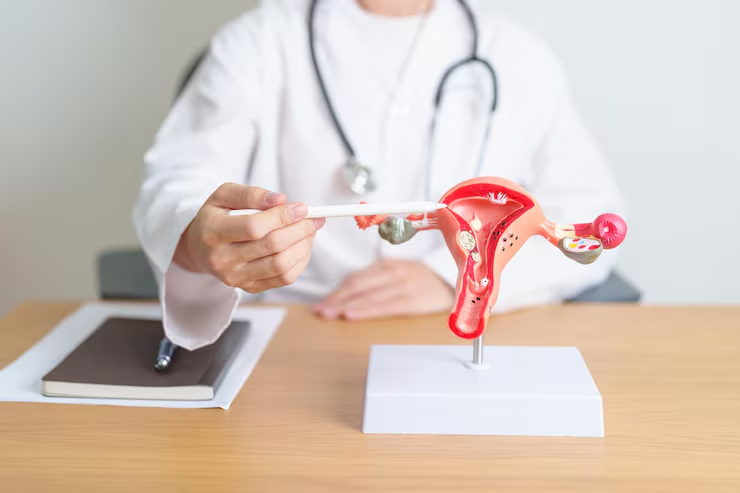
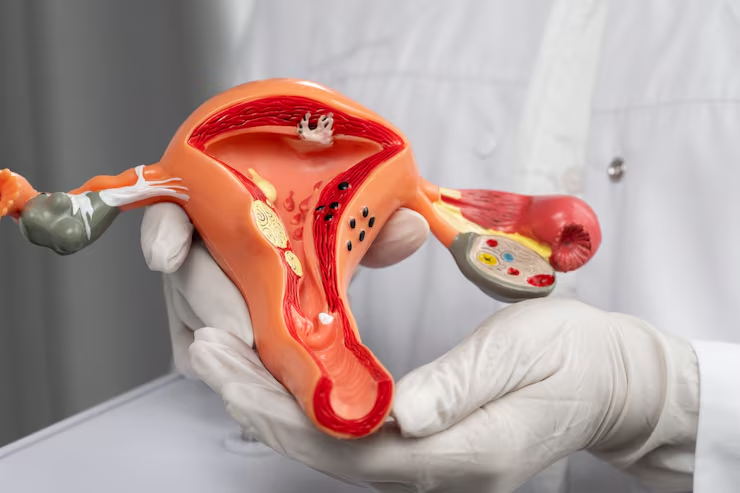
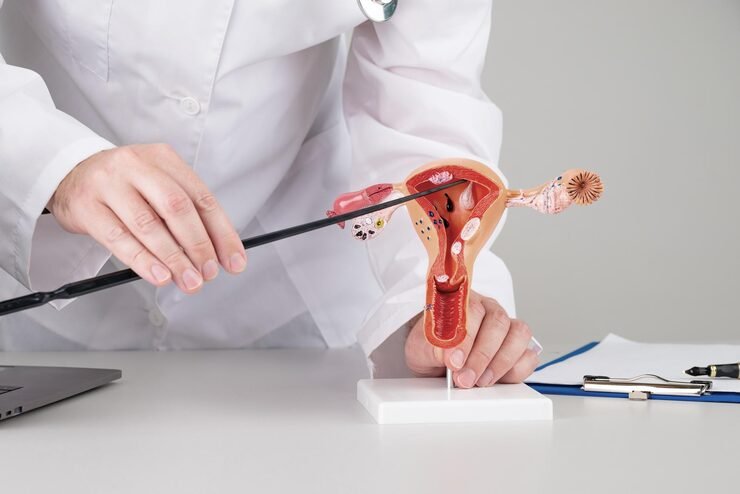
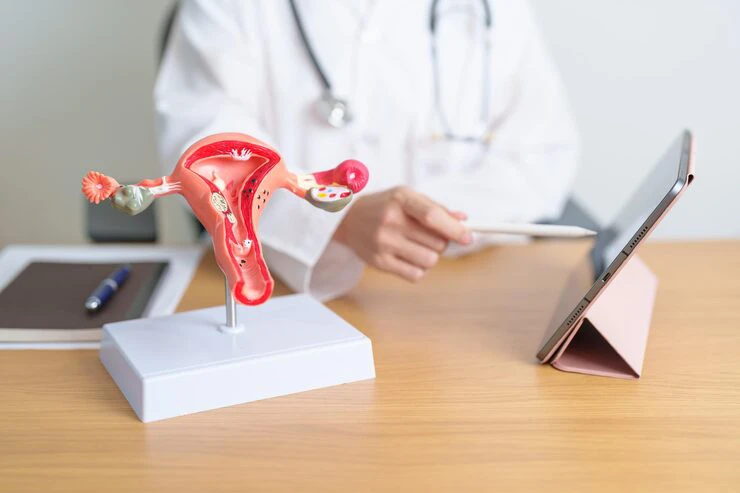
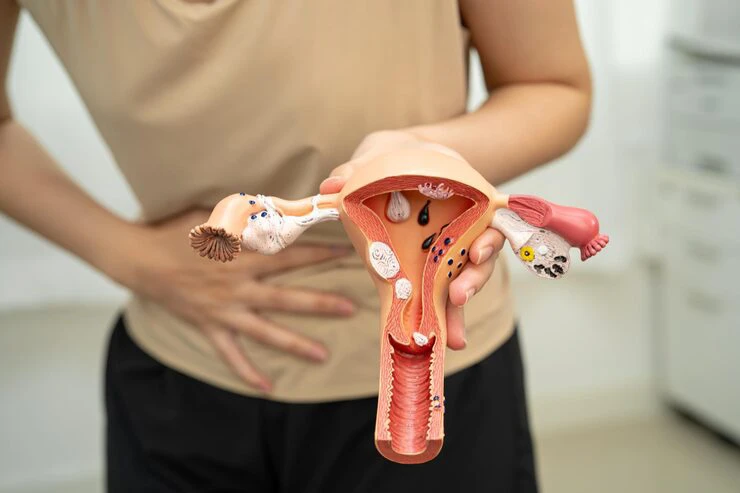
Cervical Screening is a simple medical test used to check the health of the cervix — the lower part of the uterus that opens into the vagina. The main purpose of cervical screening is to detect early changes in cervical cells that could potentially develop into cervical cancer if left untreated.
A cervical/vulval biopsy is a medical procedure where a small tissue sample is taken from the cervix or vulva for laboratory examination. It helps detect abnormal cells, infections, or cancerous changes, enabling early diagnosis and guiding appropriate treatment options.
An endometrial biopsy is a medical procedure in which a small tissue sample is taken from the lining of the uterus (endometrium) to detect abnormalities. It helps diagnose causes of irregular bleeding, infertility, and screen for conditions such as endometrial hyperplasia or cancer.
Colposcopy is a medical diagnostic procedure used to closely examine the cervix, vagina, and vulva for signs of disease. It is often recommended after abnormal Pap smear results. The procedure helps detect precancerous changes, infections, or other abnormalities with clarity and precision
Hysteroscopy is a minimally invasive procedure that allows doctors to examine the inside of the uterus using a thin, lighted tube called a hysteroscope. It helps diagnose and treat conditions such as abnormal bleeding, fibroids, polyps, or adhesions, often improving fertility and uterine health.
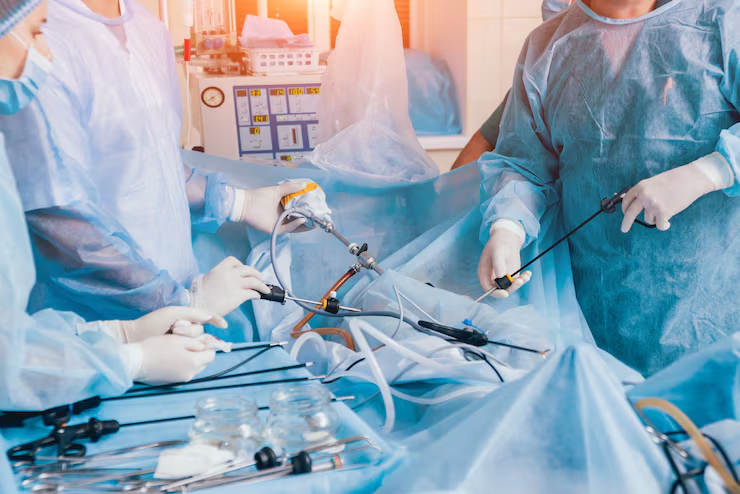
Laparoscopy is a minimally invasive surgical technique that uses small incisions and a camera (laparoscope) to view and treat conditions inside the abdomen or pelvis. It offers faster recovery, less pain, reduced scarring, and shorter hospital stays compared to traditional surgery.
Excision of cervical polyps is a minor gynecological procedure to remove small growths from the cervix. It is typically performed to relieve symptoms like bleeding or discharge, or to rule out rare precancerous changes, ensuring cervical health and preventing complications.
Endometrial ablation is a minimally invasive medical procedure that removes or destroys the lining of the uterus (endometrium) to reduce or stop heavy menstrual bleeding. It is usually recommended for women who have not responded to other treatments and do not plan future pregnancies.
Fibroid removal is a medical procedure to eliminate noncancerous growths (fibroids) that develop in or around the uterus. Treatment options include minimally invasive surgery, laparoscopic methods, or open surgery. It helps relieve symptoms like pain, bleeding, and fertility issues.
Treatment of prolapse focuses on restoring the normal position of pelvic organs and improving quality of life. Options include lifestyle changes, pelvic floor exercises, use of pessaries, or surgery depending on severity, symptoms, and individual health needs.
A hysterectomy is a surgical procedure to remove a woman’s uterus. It may be recommended for conditions such as fibroids, endometriosis, chronic pelvic pain, abnormal bleeding, or cancer. Depending on the case, the cervix, ovaries, or fallopian tubes may also be removed.
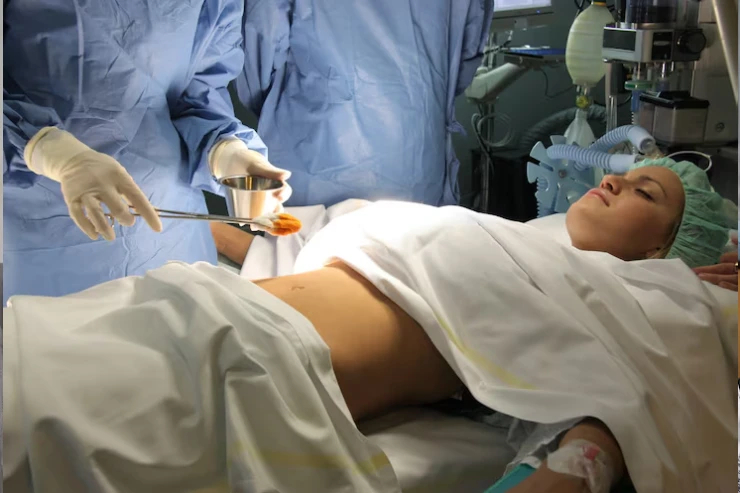
Surgical management of miscarriage is a medical procedure used to remove pregnancy tissue after a miscarriage. It is usually performed when natural expulsion is incomplete, to prevent infection, control bleeding, and support physical recovery while offering emotional reassurance.
Contraception advice and procedures provide individuals with guidance and medical options to prevent unintended pregnancies. From counseling on suitable methods to safe and effective clinical procedures, these services empower people to make informed reproductive health choices.